



.png)


 to add an item to your Itinerary basket.

Harbourside
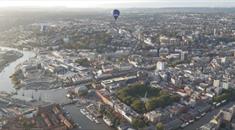
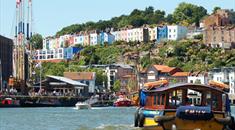
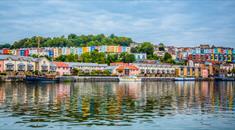
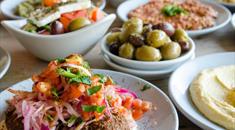
 The Harbourside is foodie heaven with a wonderfully eclectic range of restaurants, cafes and bars all with their own unique views of the water.
- There's plenty of fun to pack into a Harbourside visit, with world-class attractions, boats trips, walks and water-based activities galore.
 Find out about the history of Bristol Harbourside and what there is to see, do and discover there today.
- The best way to get to know the Floating Harbour and Harbourside is by taking one of the boat trips in Bristol
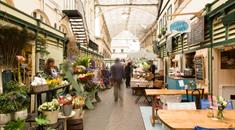
- Head to Bristol’s historic harbourside and explore the city’s newest quarter, Wapping Wharf, where local Bristolians and visitors alike can shop, eat and relax by the glistening waterfront.
 One of the marvels of Bristol’s prestigious engineering history, The Floating Harbour has a long and interesting history. Find out more here.
- Find out what's on in and around Bristol Harbourside throughout the year.
Many of Bristol’s hotels and apartments have views of the river and beyond, but if you’re after something a little closer to the water’s edge, here’s our selection of those with impressive waterfront views.
Bristol really is an amazing city to walk around and as the sun begins to peek out from behind his winter clouds, I’m ready to get out and about to explore the Harbourside.
Cool off in Bristol with these things to do in and around the water.
Discover how Underfall Yard, a working boatyard and iconic part of Bristol's Harbourside, came to be.
- Voyage back in time at Brunel’s SS Great Britain, the world’s first great ocean liner.
- 1 Mar 202431 Oct 2024
- 1 Oct 202431 Mar 2025
- We The Curious is a state-of-the-art visitor attraction, offering an amazing world of hands-on discovery for you, your friends and family.
- 2 Jul 202431 Dec 2024
- A spectacular aquarium near Bristol's Harbourside that provides an amazing underwater adventure from the British coast to exotic tropical seas
- 1 Jan 202431 Dec 2024
- Enjoy a lively programme of independent film, digital media and events at this fantastic media centre in the heart of the Harbourside
- 1 Jan 202431 Dec 2024
You May Also Like
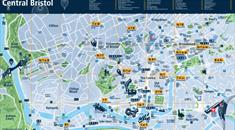
- Everyone needs a map to get around a new city. We've got official city maps you can download and then get yourself from A to B with style and ease.
- The City Centre & Old City offers culture, history and some of the best shopping in Bristol.
- Find independent boutiques, bustling cafes, iconic attractions and more in this picturesque quarter.
- Looking for information on walking and walks in Bristol? Click here to find out about routes, guided walks and resources for walkers.
Number of results:
Number of results: 90
, currently showing 1 to 20.


Bristol Aquarium
Central Bristol
A spectacular aquarium near Bristol's Harbourside that provides an amazing underwater adventure from the British coast to exotic tropical seas


Watershed Cafe Bar
Harbourside
Open every day from early in the morning to late at night, Watershed's cafe and bar offer breakfast, lunch and evening meals, all following a simple policy: stay fresh, local and seasonal.
We The Curious
Harbourside
We The Curious is a state-of-the-art visitor attraction, offering an amazing world of hands-on discovery for you, your friends and family.
Brunel's SS Great Britain
Harbourside
Voyage back in time at Brunel’s SS Great Britain, the world’s first great ocean liner.
6 O'clock Gin at The Glassboat
Old City
6 O'clock Gin at The Glassboat is now open, serving their delicious 6 O’clock G&Ts and cocktail menu. Visit their onboard shop for all your favourite gins as well as a full range of spirits, gift sets, barware and merchandise.
Watershed
Harbourside
Enjoy a lively programme of independent film, digital media and events at this fantastic media centre in the heart of the Harbourside
The River Grille
Harbourside
Modern grill restaurant offering a range of dishes, with emphasis on fresh produce
Harbourside Kitchen
Harbourside
Located alongside Brunel’s SS Great Britain, the Harbourside Kitchen offers superb views of the ship as across Bristol’s historic floating harbour.
Afternoon Tea at The Bristol
Harbourside
The elegantly modern River Lounge, located at The Bristol, is the perfect place to enjoy afternoon tea with friends, cocktails with colleagues or just to relax and watch the world go by.
Pastan
Central Bristol
Pastan makes uncompromisingly delicious plant-based pasta that does you and the planet a bit of good.
Banksy Walking Tour
Central Bristol
Some of Banksy's most famous Bristol works combined to make for a great self-guided walking tour of the city.
Spike Island
Harbourside
A unique centre devoted to the production and exhibition of the contemporary visual arts, as well as a great café space
Price
FreeMud Dock Cycleworks and Cafe
Harbourside
Over the last 25 years, Mud Dock Café has evolved to become one of Bristol’s most successful independent restaurants.
The Ostrich
Harbourside
Perched on the edge of the historic Bristol Harbourside, The Ostrich sits proudly with its huge riverside beer garden and cosy interiors over two floors.
No.1 Harbourside
An excellent place to people-watch over freshly ground coffee, Bristol beers on sunny days and cosy winter get-togethers. All under one roof, complete with twinkly lights!
Bocabar Finzels Reach
Central Bristol
Open seven days a week, Bocabar offers breakfast, lunch, dinner and Sunday roasts , looking to being a busy social, drinking and dining hub.
Walking Brunel’s Bristol
Harbourside
Join Isambard Kingdom Brunel himself on a walking tour of Bristol’s historic harbourside and its surroundings. Discover the stories behind some of his greatest works and learn how Brunel’s Bristol projects changed not only the city but the whole…
Riverstation
Central Bristol
Located on Bristol’s iconic harbourside, Riverstation is the perfect place to enjoy lunch or dinner all year round. With it’s stunning terrace, balcony and unrivalled views of the river, it can only be described as one of the best alfresco dining…
Food Tours of Bristol
Central Bristol
Discover some of Bristol's favourite independent restaurants and experience Wapping Wharf as a VIP on this unique dining experience.
Price
Guide Price From £60.00 to £220.00 Activity

















.png)
.png)
.png)
.png)