



 10 min read
Bristol may be a bustling city, but it also has a greener and wilder side. Along with our own wildlife spotting suggestions below, we asked Heather from the Bristol Nature Channel to tell us her top five wild places that have inspired their nature documentaries and show that Bristol is bursting with urban wildlife.
The River Avon
On a hot, summer’s day, I can’t resist a paddle along the River Avon in my blow-up canoe. Did you know, ‘Avon’ derives from the celtic word ‘afon’ which means river, so a paddle up the River Avon is a paddle up the River River!
With water rippling like a broken mirror, wrens singing their little hearts out and lily pads lining the edge, this is the best place for a time out from the hustle and bustle. Only the odd train zooming past somewhere in the distance reminds me that I am, in fact, still in a metropolitan city. One of my favourite wildlife spots at the section of the river near Eastwood Farm are the hypnotic, metallic green-blue damselflies whose wings switch from mesmerising blue to shadow black with every flutter.
If you don’t have a canoe, you can walk or cycle along the river, just be sure to finish your trip with a cheeky pint at Beese’s Riverside Bar and Garden.
- Take a trip along the river to Beese's with Bristol Packet Boat Trips or Bristol Ferry Boats
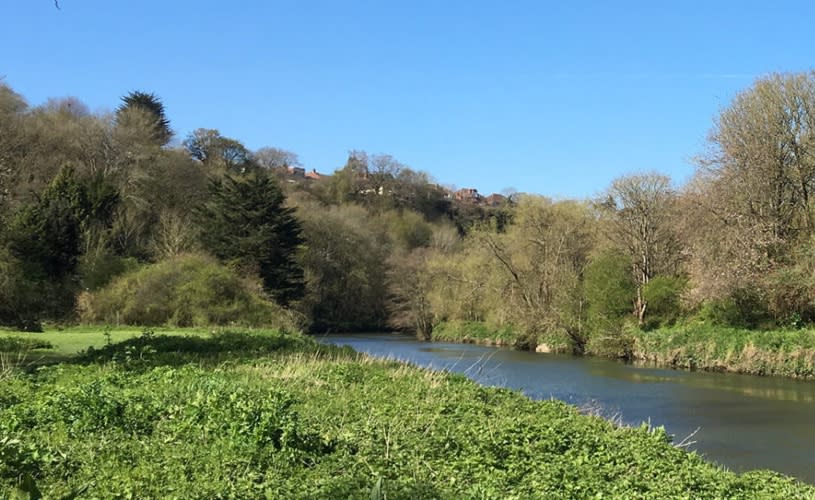
Image - The River Avon
Arnos Vale Cemetery
Would you ever visit a graveyard for a day out? Here in Bristol, one of the most alluring wild spaces is the gothic grounds of Arnos Vale Cemetery.
In this famous cemetery, a walk amongst gravestones is an experience like no other. Every step takes you to a scene from Sleepy Hollow, with old broken graves strangled by ivy and dislodged by wayward roots as nature slowly reclaims this Victorian heritage site.
Arnos Vale is more than just a gothic encounter; it’s a Site of Special Conservation Interest. This means Bristol is the proud owner of an unusual conservation site which is littered with wild flowers, buzzing with insects, and full of badgers foraging under trees and bats owning the skies.
For me, the best time to visit is in the autumn when there’s a cool breeze on your face, crisp leaves underfoot and a golden canopy to stir your senses. I’ll let you in on a little secret… It was here that we made our first wildlife film about the bats that live in the graveyard. As our first ever film, it’s been safely stored away on our computer, never to be seen again. Trust me, it’s not worth the viewing! But it was here that we decided to start a project that has changed our lives for the better.
So grab your walking boots, switch on your imagination and see where Arnos Vale takes you!
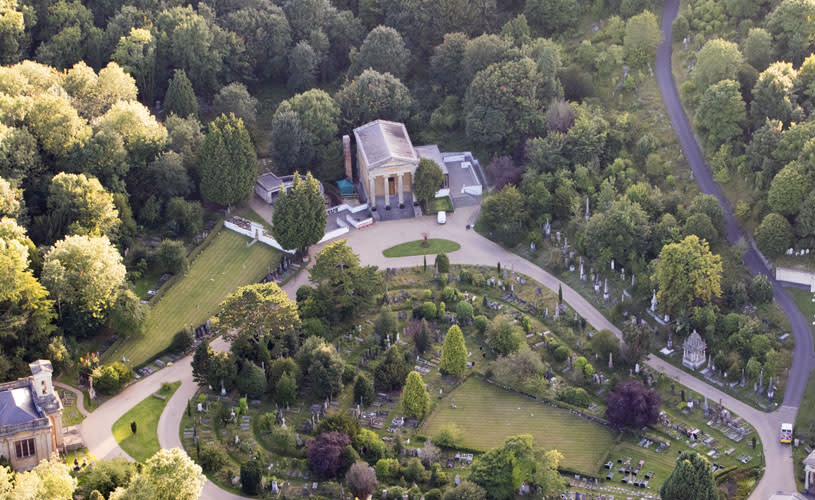
Image - Arnos Vale Cemetery. Credit: Paul Box
University of Bristol, Royal Fort Gardens
This is the one park that has featured most in all our films. Hidden away in the University campus, Royal Fort Gardens is an immaculate park teeming with wildlife. It’s the perfect spot for beginner naturalists and those in need of some nature TLC!
Here, you’ll find beautifully crafted gardens, from carpets of crocuses in spring to glorious foxglove trumpets in summer. The neat flower beds and perfectly mowed lawns are balanced by wildlife-friendly habitats. Hidden in bushes are handcrafted bug hotels, wildflower meadows grown in collaboration with the Avon Wildlife Trust, and grassy triangles run wild in designated spots, where those with a trained eye will find Common Spotted Orchids.
This is also a park where two of my favourite trees grow! Firstly, you’ll find Ginkgo Biloba trees growing everywhere. These beautiful trees are called ‘living fossils’. We have found fossilised specimens that date back to around 270 million years and look identical to the trees we see today. If you ever find a female Ginkgo tree with fruit (they look like little apricots), give the tree a sniff! The fruit curiously smells like sick, possibly an ancient evolutionary mechanism to attract dinosaurs to eat its fruit!
My other favourite is called a Handkerchief tree. When it flowers in spring, it looks like someone has delicately draped little white handkerchiefs (or ghosts if that’s where your imagination takes you) all over its branches.
- University of Bristol Royal Fort Gardens has won multiple Green Flag Awards for its thoughtful management and welcoming atmosphere.
-
The trees here are just as impressive- from the towering Wellingtonia pine to the elegant Lucombe oaks and the soft, feathery Acacia dealbata. They provide food and shelter for birds and small mammals. There are even fruit-bearing plants like raspberries, figs, and strawberries, which add to the garden’s biodiversity
-
One of the coolest features is the interactive tree map. Many of the trees have QR codes you can scan to learn more about their species and their role in the garden’s ecosystem.
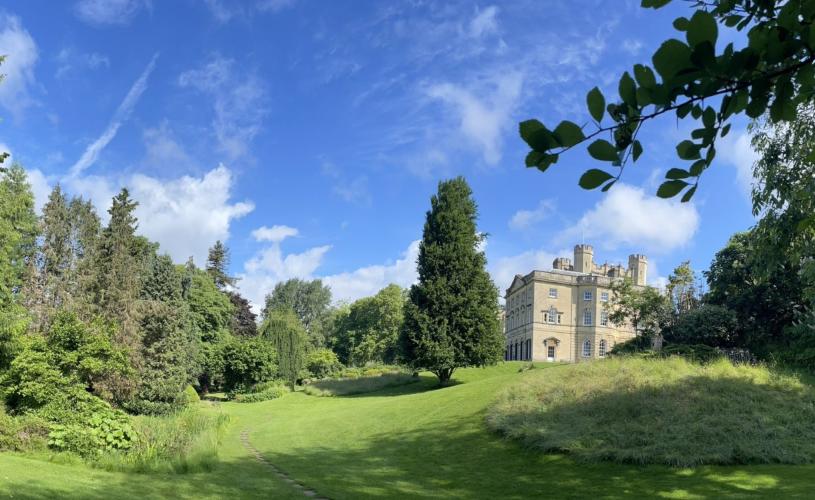
Image - Royal Fort Gardens at the University of Bristol
Eastville Park
Near the M32 bypass sits a park that has some of the most incredible opportunities for spotting wildlife. It was here I saw my first Kingfisher, and it really wasn’t that hard to find! Every time I walk along the River Frome, I hear their distinctive whistle followed by a flash of blue (if you’re quick enough to turn your head!). If you keep your eyes peeled (or just ask the many expert birdwatchers that frequent here every day), you might see one perched on a branch. They’re surprisingly camouflaged despite their iridescent blue feathers.
There’s a large body of water with a footpath around the edge and benches where you can watch the world go by. This is where the elegant herons hang out. They stand on the edge of a little island, as still as statues, hunting fish. For those with a little patience and a well-trained eye, you might catch a glimpse of our smallest birds, Gold and Fire Crests, both rocking their bright yellow mohawks.
But, this park is famous for one of Bristol’s most surprising (and enchanting) residents - the Bristol otter. If you visi,t you might be one of the lucky few who witness this incredible animal catching fish in the river and sometimes, in the lake. Or, like me, you’ll only ever see the kingfisher. Not a bad compromise if you ask me!

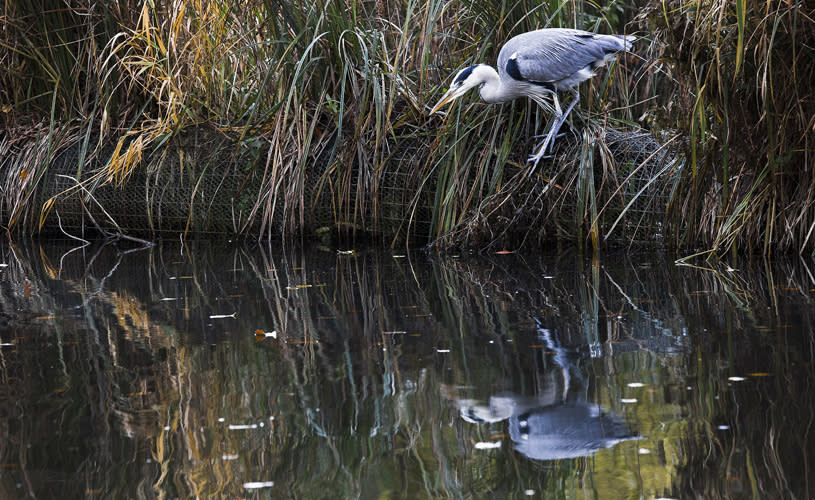
Image - A heron in Eastville Park. Credit: Jim Lampard, Bristol Nature Channel
These are just a few of my favourite places to visit. But, there’s so much wildlife to be found living alongside city dwellers from the famous cormorants catching fish in the Harbour to the carpets of wildflowers in Leigh Woods and peregrines dive bombing prey in the city centre. All you have to do is look. Stay wild!
Visit Bristol’s recommended spots
Ashton Court Estate
Ashton Court Estate is a wonderful spot for wildlife. The top meadows are roped off for skylark nesting and you can hear them singing most of the year. You’ll also find early spring displays of thousands of Green-winged orchids, as well as cowslips, in these meadows. In spring, you can see bluebells in the woods at the bottom of the Estate, as well as pick wild garlic. Later in spring, there is a similar number of Common Spotted orchids, plus Pyramidal, Twayblades and Southern Marsh orchids, as well as a beautiful array of other meadow wildflowers. It’s a great place for butterflies and other insects, too. In the autumn, Ashton Court meadows are home to another colourful display of fungi, particularly the waxcap species in shades of yellow, red, white, green, pink and orange.
-
Bluebells can also be seen at Leigh Woods, Prior’s Wood and on the edge of the mountain bike trails at Ashton Court. Hire mountain bikes from Pedal Progression and explore the trails.
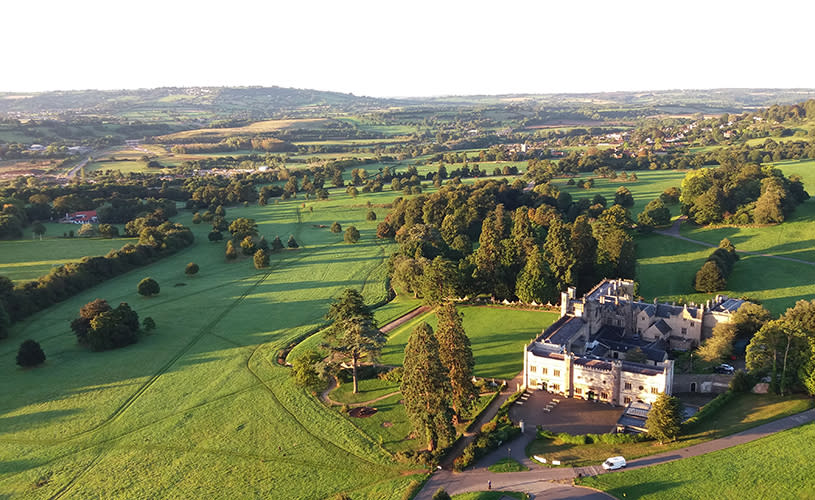
Ashton Court Estate
The Avon Gorge and Downs
The Avon Gorge is a great spot for botanists to wander, as it’s home to rare flora and fauna unique to the Downs. Among its botanical highlights are four types of whitebeam trees – Bristol, Wilmott’s, Houston’s and Leigh Woods – all of which are endemic to the Gorge. The Avon Gorge is home to over 30 different kinds of rare plants. For at least 450 years, plant lovers have explored its craggy ledges in search of rarities such as honewort, autumn squill, spiked speedwell, and little robin.
In spring and early summer, when the grass is left to grow long, you might be lucky enough to spot bee orchids and other meadow wildflowers. Notably, three rare plants found in the Gorge even carry the city’s name: Bristol whitebeam, Bristol rock-cress, and Bristol onion. The large areas of limestone grassland on The Downs are also packed full of colour, with wildflowers such as bird’s-foot-trefoil, oxeye daisy, and yellow rattle — best seen during Bristol’s summer months.
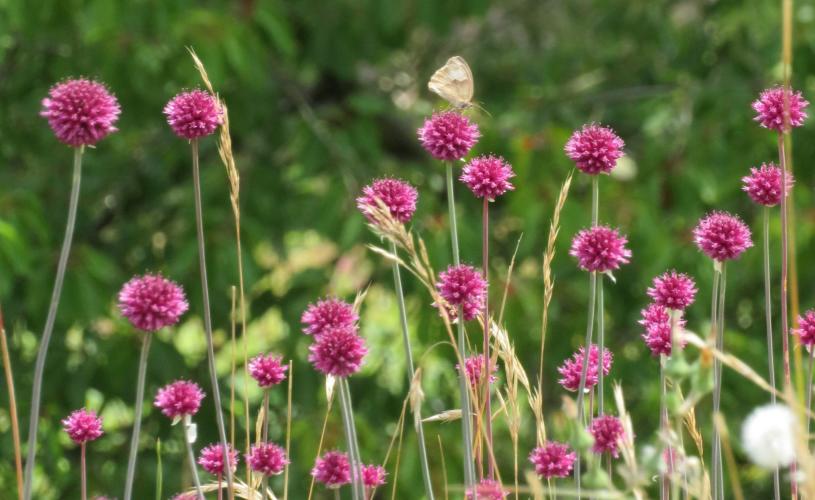
Image - Bristol Onion credit Kathi Held, Avon Gorge Wildlife
Peregrine falcons have bred in the Gorge since 1990. These spectacularly fast birds can often be spotted from the Peregrine Watch Point on The Downs and are sometimes seen nesting on the Wills Memorial Building.
- Find Bennett’s Patch and White’s Paddock nature reserve near Avon Gorge
Goats in the gully
Heather’s recommendation at Avon Gorge includes the Goats in the gully.
Yes, this often surprises most people. There are indeed goats in the Avon Gorge, like a scene from Billy Goats Gruff, although these goats can’t reach the bridge!
The deer at Ashton Court Estate are usually top of a Bristolian's list for a wild encounter, but here there’s something a lot more special. A collection of wild goats are living on the slopes, nibbling on scrubland to restore some of the Gorge’s most prized wildlife.
In a fenced-off area with public access, these goats are eating the way for rare plants to grow. Every time I visit, it still feels like a surprise to see a large bearded goat merrily chomping on plants in the middle of a city.

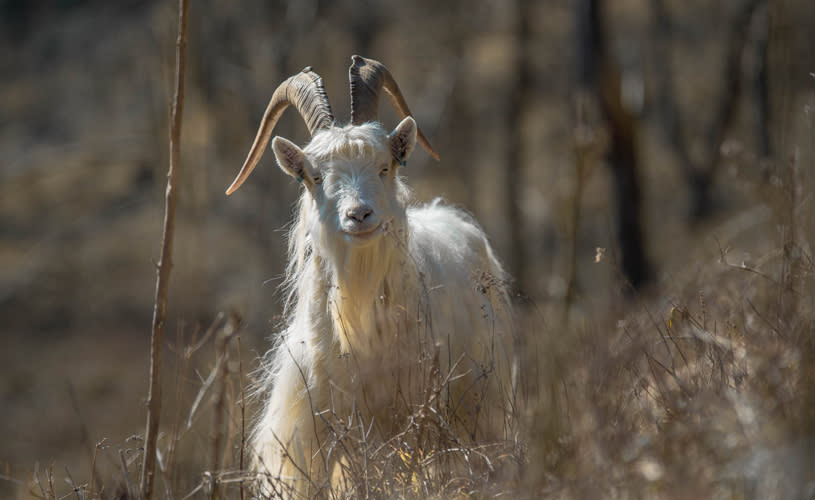
Bristol gully goats. Credit: Jim Lampard, Bristol Nature Channel
Nature Reserves
Bristol has many beautiful nature reserves in and around the city, where you can spot wildlife like otters, kingfishers, and wild deer in their natural habitats. Whether you’re a keen birdwatcher or just love a peaceful walk, there’s a wildlife adventure waiting.
Some popular spots include;
- Brandon Hill Nature Reserve, a haven for people and wildlife in the heart of Bristol
- Willsbridge Valley, a former mill, quarry and coal dramway, now an oasis of wildlife, with woodlands, ponds and a wildlife garden.
- Prior's Wood, A beautiful wildlife-rich ancient woodland with streams and a wonderful bluebell display in spring.
- Badock's Wood, Woodland, streams and areas of meadow in north Bristol.
- Troopers Hill, Hillside overlooking the River Avon, with fantastic views of Bristol and much wildlife.
Find more nature reserves on the Avon Wildlife Trust website and the Bristol City Council website.
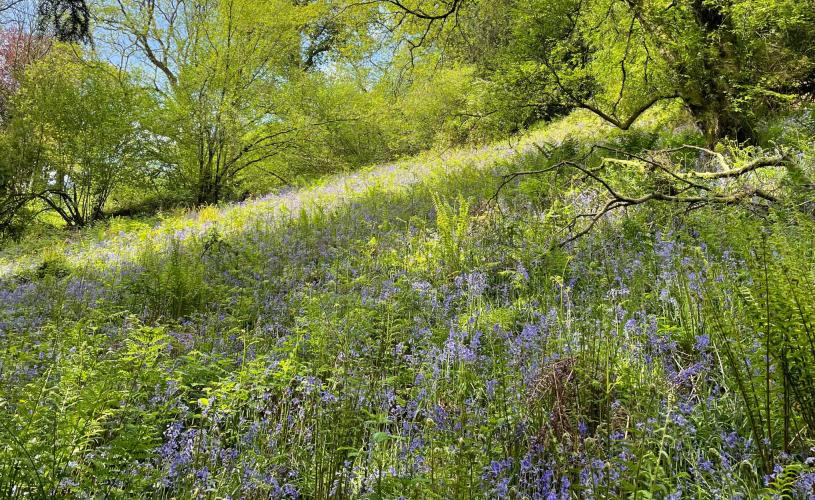
Image - Bluebells at Prior's Wood


